How to Teach a Cat to Clean Its Bum
Contents
- How to Teach a Kitten to Clean Its Bum?
- Step 1: Give Your Pet Time
- Step 2: Keep Your Bathroom Door Open
- Step 3: Get Its Favorite Treat
- Step 4: Start the Training Process
- Step 5: Place the Treat in the Right Places
- Step 6: Leave the Rooms Open
- How Can I Keep My Cat’s Bum Clean?
- Why Can’t My Cat Clean Its Bum?
- Final Thoughts
- Frequently Asked Questions
- Can cats groom their bum naturally?
- Why has my cat stopped cleaning its anal region?
- How can I remove poop stuck on my cat’s fur?
- Sources
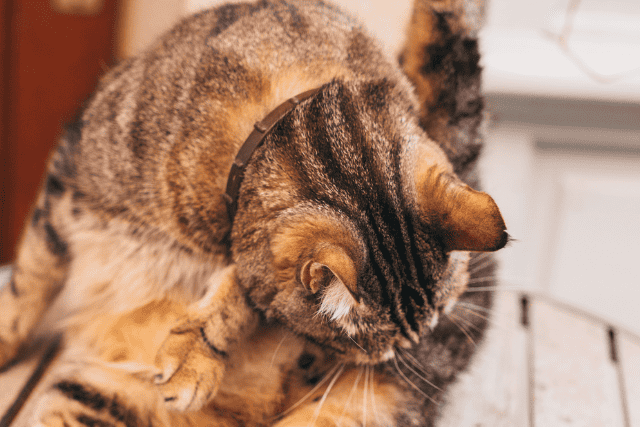
Compared to our canine pals, cats are naturally clean creatures that need little help with grooming. Cats typically spend 30 to 50 percent of their day grooming themselves, and they do it by instinct.
So you can’t really teach a cat to lick its bottom. What you can do is help a kitten or cat that’s struggling, get it comfortable with being cleaned, and spot the health problems that stop cats from grooming.
How to Teach a Kitten to Clean Its Bum?
Most kittens learn to clean themselves without help. Newborn kittens rely on their mother to lick them clean, and they groom themselves more as they grow and gain coordination. If your kitten still leaves the litter box messy, these steps help:
Step 1: Give Your Pet Time
Give a newly adopted kitten time to settle in. A relaxed kitten grooms more, and its grooming improves as it grows.
Don’t expect a perfectly clean bottom right away. Occasional messes are common in young kittens, especially after a diet change.
Step 2: Keep Your Bathroom Door Open
Keep the door to the litter box room open and the box in a quiet, easy-to-reach spot, so your kitten never feels trapped or rushed. A stressed kitten may dash out of the box before it’s finished.
Remember, cats are quite sensitive; they settle into routines best when the experience feels safe.
Step 3: Get Its Favorite Treat
Once it’s comfortable, use its favorite treats to reward calm acceptance of gentle handling around its tail and back end. This makes it much easier to clean the area when your cat needs help.
Step 4: Start the Training Process
Start with short sessions. Gently touch the base of the tail, then give a treat. Over several days, work up to wiping the area with a soft, damp cloth or an unscented pet wipe, rewarding each calm moment.
Stop if your kitten struggles, and go back to an easier step next time. The goal is a cat that tolerates being cleaned, not one that grooms on command.
Generally, pets can recognize patterns, so praise your kitten every time it stays relaxed.
Step 5: Place the Treat in the Right Places
Never put treats or food in or next to the litter box, since cats prefer to keep eating and bathroom areas apart. Give rewards in a calm spot nearby, like its bed or a favorite perch.
Step 6: Leave the Rooms Open
Leave the rooms open so you can keep an eye on your kitten after it uses the litter box, especially in the first weeks.
If you see stool stuck to the fur, clean it promptly so it doesn’t dry, mat or irritate the skin.
How Can I Keep My Cat’s Bum Clean?
Cats are generally good at grooming themselves, including cleaning their anal area. However, there may be situations where a cat needs assistance in this regard, such as if they are overweight, have mobility issues, or have long fur that can trap feces.
Here are some steps to help ensure your cat’s anal area stays clean:
- Regular Grooming: Brush your cat regularly, especially if they have long fur. This helps prevent feces from getting stuck in their fur around the anal area. Use a cat-specific brush or comb.
- Wet Wipes: Occasionally, you may need to clean a cat’s butt using unscented, hypoallergenic wet wipes. Gently wipe the area, being careful not to irritate your cat. You can also use a damp cloth or cotton ball if your cat is comfortable with it.
- Trimming Fur: If you own long-haired cats, then you should consider trimming the fur around the anus carefully. Be cautious not to cut your cat’s skin. It may be helpful to have a professional groomer trim cat fur if you’re unsure.
- Diet and Hydration: Ensure your cat is on a balanced diet that promotes regular, firm stools. Proper hydration is also essential to prevent constipation or diarrhea.
- Litter Box Maintenance: Keep the litter box clean, and ensure it’s large enough for your cat to comfortably poop. Some cats may avoid the litter box if it’s dirty or too small, leading to fecal matter sticking to their fur.
- Veterinary Consultation: If you notice persistent issues with your cat’s anal cleanliness or discomfort, consult your veterinarian. There may be underlying health problems causing these issues, such as anal gland problems or gastrointestinal issues.
Why Can’t My Cat Clean Its Bum?
Cats are generally very adept at grooming themselves, including cleaning their anal area. However, there can be situations where your pet may have difficulty or be unable to clean its bum.
Some common reasons you should clean a cat’s bum include:
- Obesity: Overweight or obese cats may have difficulty reaching and grooming their anal area due to limited mobility or flexibility after leaving the cat litter.
- Arthritis or Joint Problems: An older cat or those with arthritis or other joint issues may find it painful to reach their anal area for grooming.
- Long Fur: Cats with long fur are more prone to feces becoming trapped in their fur around the anal area, making it harder for them to clean themselves effectively.
- Gastrointestinal Issues: Cats with diarrhea or soft stools may struggle to keep their anal area clean because the feces may stick to their fur.
- Anal Gland Problems: Issues with the cat’s anal glands, such as impaction or infection, can cause discomfort or pain when trying to clean the area. VCA lists scooting and licking or biting at the rectum as common signs.
- Injuries or Disabilities: Cats with injuries or disabilities may have difficulty grooming themselves, including their anal area, after leaving the kitten litter area.
- If you notice that your cat is not cleaning its bum after leaving the kitten litter, it’s essential to address the underlying issue. Here’s what you can do if your kitten can’t clean its poop:
- Consult a Veterinarian: Schedule a vet appointment to rule out any underlying cat health problems that may be affecting your cat’s grooming abilities.
- Weight Management: If your kitten is overweight, work with your veterinarian to develop a weight management plan to help your cat reach a healthy weight.
- Grooming Assistance: You may need to assist your kitten with grooming its anal area by using wet wipes after leaving the litter. Clean its bum as described above.
- Regular Veterinary Check-Ups: Continue to monitor your cat’s health and grooming habits, and schedule regular veterinary check-ups to address any ongoing issues.
Final Thoughts
Unlike our other pets, cats are self-grooming creatures that require little to no help. But you have to do the weekly/monthly grooming, which includes clipping its fur and nails. Young kittens can be messy at first, but most learn to clean themselves without help.
What you can do is make your kitten comfortable with gentle handling, keep long fur trimmed, and step in with a damp cloth when needed.
If an adult cat stops cleaning itself, look for a cause, such as weight gain, arthritis, diarrhea or anal gland trouble, and call your vet. Until it’s well, you’ll have to clean its bottom for it.
Frequently Asked Questions
Can cats groom their bum naturally?
Yes. Cats groom by instinct, including their back end. Kittens are cleaned by their mother at first and usually groom themselves well as they mature.
Why has my cat stopped cleaning its anal region?
It could be suffering from anal gland or gastrointestinal issues that prevent it from grooming itself. Joint problems can also make it impossible for your cat to stretch its body and groom itself.
How can I remove poop stuck on my cat’s fur?
To get rid of stuck feces, you need shampoo, a damp cloth, a brush, and lukewarm water. Simply clean it with a damp cloth and brush its fur gently until the feces untangles itself.
Sources
- Cats that Lick Too Much, Cornell Feline Health Center
- Anal Sac Disease in Cats, VCA Animal Hospitals
- Diarrhea, Cornell Feline Health Center