How To Get Rid of Dog Gland Smell on Furniture: Effective Solutions
Contents
- Understanding Dog Anal Gland Smell And The Source Of Odor
- Preventive Measures To Help You Say Goodbye To That Dog Gland Smell
- 1. Regular Anal Gland Expression
- 2. Dietary Considerations
- 3. Hygiene Practices
- 4. Importance Of Prevention
- Helpful Techniques In Eliminating Dog Gland Smell From Furniture
- 1. The Power Of Using Vinegar As Dog Odor Remover
- 2. Absorbing Dogs Anal Gland Odors With Baking Soda
- 3. Taking Advantage Of Enzymatic Cleaners
- 4. Employ Professional Cleaning Services
- 5. Benefits From Preventive Coverings
- Diverse Perspectives and Considerations
- Final Thoughts
- Frequently Asked Questions
- How do you eliminate dog gland smell from furniture?
- Does regular cleaning prevent dog gland smell from furniture?
- Can a professional deep-cleaning service remove dog gland smell from furniture?
- Are air fresheners effective at eliminating dog gland smell?
- Sources
Dog ownership brings countless joys and amusing moments. However, occasional challenges accompany the pleasant experiences.
One common issue dog owners face is the persistent and unpleasant dog gland smell that can infiltrate and linger on furniture.
This article provides practical techniques to help you get rid of dog gland smell on furniture. We will explore the causes of dog gland smell, preventive measures, and several tried-and-tested remedies to eliminate the odor from furniture effectively.
Understanding Dog Anal Gland Smell And The Source Of Odor
Anal gland secretion helps dogs communicate and mark their territory. A distinctive and sometimes pungent odor emanates from the anal gland or anal sac.
You can find these small anal glands near the dog’s anus. Anal glands are vital communicators in canine social dynamics, conveying nuanced messages and insights to fellow dogs in their surroundings.
Under normal circumstances, the anal glands empty naturally during bowel movements, thus keeping the dog smell at bay. However, an anal gland issue, such as infection, can cause an overpowering odor, inadvertently transferring onto furniture.
A dog experiencing an anal gland problem may show signs such as frequent licking or biting of the anal area, scooting, and a strong odor. Small breeds are predisposed, while large and giant breeds are rarely affected. These issues can cause discomfort and even infection.
Therefore, pet owners must recognize the symptoms and seek veterinary care promptly to keep their furry friends healthy and happy. Veterinarians can provide appropriate treatment for the discomfort and behavioral changes in affected dogs.
Preventive Measures To Help You Say Goodbye To That Dog Gland Smell
Preventive measures can help minimize the unpleasant smell caused by dog gland issues. Understanding these precautionary steps can ensure a more pleasant and odor-free experience for dogs and their owners.
Here are some crucial things to consider when you think about eliminating dog gland smell from furniture:
1. Regular Anal Gland Expression
Most dogs empty their anal sacs naturally during bowel movements and don’t need them expressed. If your dog has recurring problems, though, VCA notes that routine expression by veterinary professionals may help.
Proper technique is vital to ensure your dog’s safety and comfort, so leave this to your vet or vet team rather than trying it at home.
For dogs that need it, this helps prevent issues in the anal sacs, such as impaction or infection, which can be painful. As a result, it can also reduce the chance of the odor affecting your furniture.
2. Dietary Considerations
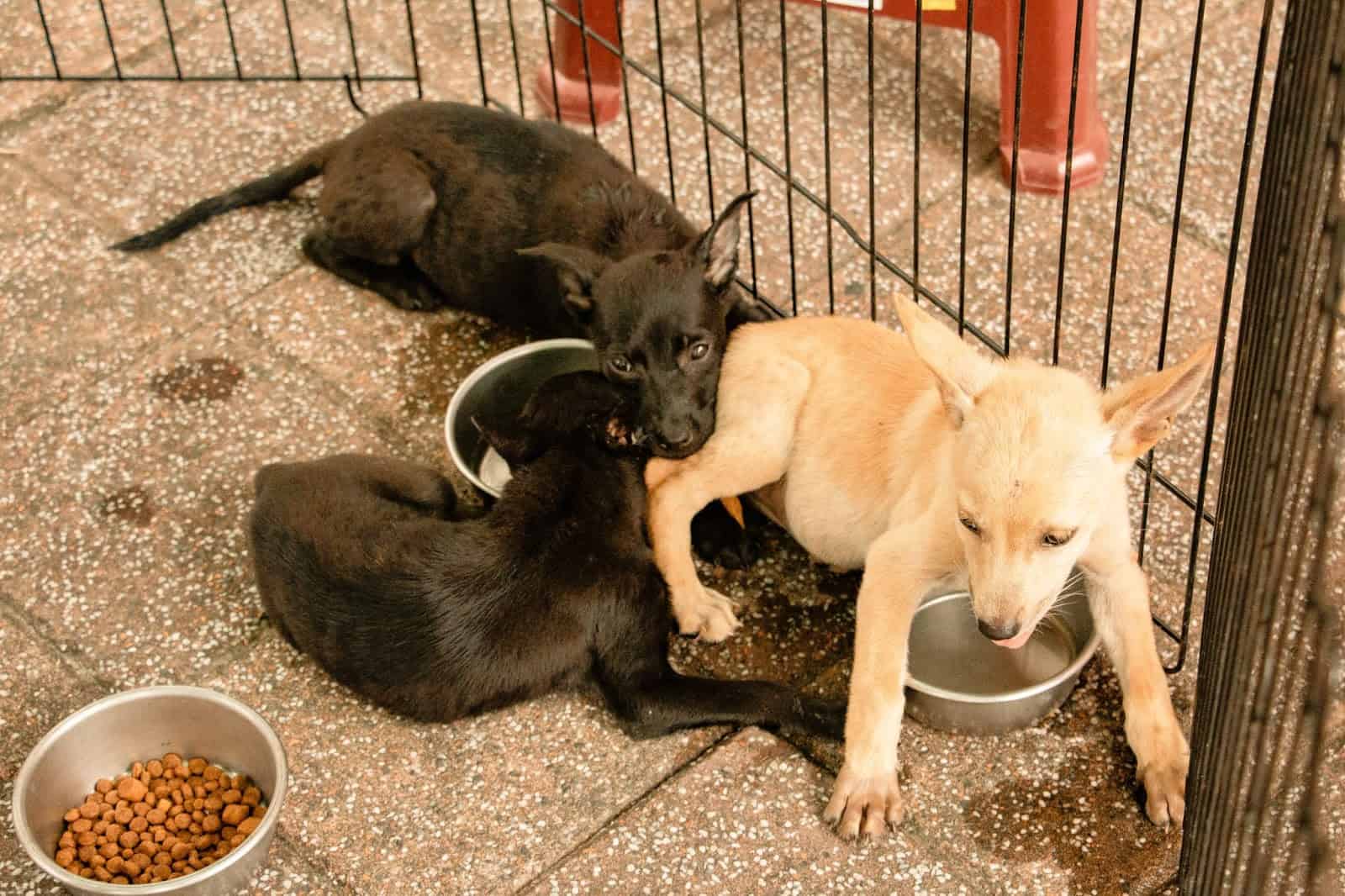
Looking after your dog’s diet can help curb glandular odors. Firm stools press on the anal sacs as they pass, and the Merck Veterinary Manual notes that supplemental fiber may be recommended to add bulk to the stool and help the sacs empty.
Keeping your dog at a healthy weight matters too. VCA notes that overweight dogs tend to have chronic anal sac problems because their sacs don’t empty well.
Limiting excessive treats helps with weight control. Consult your veterinarian before adding fiber or changing your dog’s diet.
Besides, regular veterinary check-ups are essential for maintaining optimal dog health.
By prioritizing nutritional considerations, you take a proactive path to diminishing glandular smells. At the same time, you also nurture a healthier and more pleasant environment for you and your cherished pet.
3. Hygiene Practices
Maintaining impeccable hygiene routines is paramount in combating dog gland odors. Regular baths with a mild dog shampoo keep the coat clean and cut down on odor.
Gentle, fragrance-free wipes can be employed for interim cleanings, focusing on the anal area. Trim excess fur around the glands to inhibit bacterial buildup.
Ear infections and dental disease cause strong odors of their own. If your dog still smells after its rear end is clean, ask your vet to check its ears and teeth too. Practicing meticulous hygiene improves your dog’s well-being and creates a better living environment for both of you.
4. Importance Of Prevention
Prioritizing prevention is pivotal in eradicating the bad smell from impacted anal glands. Regular check-ups with a vet can detect early signs of anal sac disease, averting potential complications.
A balanced diet with enough fiber, as your vet advises, supports natural emptying of the sacs.
Consistent exercise helps keep your dog at a healthy weight. Routinely examining your dog’s rear end for signs of swelling or discomfort allows for prompt intervention.
Moreover, seeking professional guidance on glandular health and maintenance techniques is invaluable. By emphasizing prevention, you thwart anal gland issues at their root, ensuring a more comfortable, odor-free life for your cherished pet.
Helpful Techniques In Eliminating Dog Gland Smell From Furniture
1. The Power Of Using Vinegar As Dog Odor Remover
Any pet owner seeking a simple way to tackle anal gland odor on furniture can turn to vinegar. Its acidity can help neutralize the odor left by anal gland fluid.
Dilute white vinegar with water, test it on a hidden spot first, then blot it onto the affected fabric after cleaning up any residue. Let it air dry.
Skip essential oils in the mix. Many are toxic to pets, especially cats.
Vinegar treats the furniture, not the dog. If the smell keeps coming back, have your vet check your dog’s anal sacs.

2. Absorbing Dogs Anal Gland Odors With Baking Soda
Are you tired of the persistent dog gland smell in your home? Baking soda is a reliable ally when banishing that stubborn dog gland scent.
Its natural deodorizing properties work wonders on affected areas. Sprinkle baking soda on the furniture’s affected area, let it sit for a while, and then vacuum it up.
Don’t apply baking soda to your dog’s rear end. It is a furniture deodorizer, not a treatment, and it’s crucial to consult a vet for persistent issues.
Used on fabric, this baking soda method is a cost-effective, eco-friendly solution for pet owners maintaining a fresh, clean home.
3. Taking Advantage Of Enzymatic Cleaners
Bioenzymatic cleaners offer a potent solution for combatting stubborn dog gland odors. Their specialized enzymes break down residual anal gland secretions, eliminating the scent at its source.
Aside from getting rid of that nasty smell from dog anal glands, these cleaners are invaluable in neutralizing skunk odor.
Use them on furniture and fabrics only, following the label. They remove the odor, but they won’t fix the cause, so a dog with skin infections or untreated gland issues still needs a vet visit.
4. Employ Professional Cleaning Services
Engaging professional cleaning services is a game-changer in combatting persistent anal gland odors. These experts have the expertise and tools to thoroughly clean and disinfect areas affected by anal glands.
They ensure the removal of all lingering scents, providing a clean and odor-free environment for you and your pet. Professional cleaners can tackle set-in odors in upholstery, sparing you the hassle and leaving a fresh, comfortable space for you and your pet.
5. Benefits From Preventive Coverings
Preventive coverings are a proactive approach to combat that nasty whiff from your dog’s anal glands. These specialized covers are a barrier, shielding surfaces from potential anal gland secretions.
Whether it’s bedding, furniture, or car seats, these covers are a reliable defense against lingering scents. They’re particularly beneficial for pet owners dealing with recurring issues around the anal glands.
Utilizing these protective layers ensures a cleaner, more hygienic environment and saves time and effort in frequent clean-ups. It’s a practical solution that relieves you and your pet, effectively minimizing the impact of smelly anal glands on your daily life.
Diverse Perspectives and Considerations
Imagine how you’re snuggled up on your comfy couch with your loyal fur buddy by your side. But wait, what’s that unwelcome scent wafting through the air? Yep, it’s the dreaded dog gland smell, a challenge many dog owners face.
Here’s the scoop: while this issue is widespread, it’s essential to understand that not all dogs will experience anal gland problems. Small breeds are more prone to anal sac problems, and overweight dogs are too, so consult a veterinarian who knows your dog’s breed and unique health conditions.
Now, let’s talk strategy. A holistic approach is critical to preventing that pesky dog gland smell from infiltrating your furniture fortress. Start by focusing on your dog’s overall health. Ensure your dog has a balanced diet that meets its needs, as proper nutrition can contribute to healthy anal gland function.
Hygiene is another vital piece of the puzzle. Regularly bathing your pup and keeping its rear end clean can help reduce odor. Be sure to use pet-friendly products, as human shampoos and cleansers may not do the trick.
So, my fellow dog enthusiasts, let’s prioritize our furry friends’ well-being. We can minimize the chances of encountering that notorious dog gland smell with proactive care and expert guidance. Now, you can bid farewell to unpleasant scents and welcome a crisp, aromatic living space for you and your cherished canine friend.
Final Thoughts
In closing, tackling the dog gland smell on your furniture is well worth the effort. By understanding the role of anal glands and employing preventive measures, you can keep your living space fresh and inviting for you and your furry friend.
There are practical solutions at your disposal, whether through vet care for anal sac problems, using white vinegar, or applying specially-formulated cleaners and baking soda.
And in cases where the odor persists, don’t hesitate to seek professional cleaning services. With these strategies in your arsenal, you’re well-equipped to reclaim your living space and enjoy a harmonious environment you and your beloved canine companion can cherish.
Frequently Asked Questions
How do you eliminate dog gland smell from furniture?
Several methods exist to eliminate dog gland smell from furniture, including using enzymatic cleaners, baking soda, vinegar, and pet-specific odor removers.
Does regular cleaning prevent dog gland smell from furniture?
Regular cleaning can help prevent dog gland smell from furniture. However, opt for odor-neutralizing cleaners rather than traditional ones to eliminate the fishy smell.
Can a professional deep-cleaning service remove dog gland smell from furniture?
Professional deep-cleaning services utilize specialized cleaning solutions that can penetrate the furniture’s fibers deep to remove even the most stubborn dog anal gland smell.
Are air fresheners effective at eliminating dog gland smell?
Air fresheners don’t effectively eliminate dog gland smell as they only temporarily mask the odor. It’s crucial to use odor-neutralizing sprays designed explicitly for pet odor removal.
Sources
- Anal Sac Disease in Dogs, VCA Animal Hospitals
- Disorders of the Rectum and Anus in Dogs, Merck Veterinary Manual