
Is Spirea Toxic to Dogs: Key Pet Safety Insights

Contents
- Key Takeaways
- Spirea Toxicity in Dogs
- Toxicity of Spirea Varieties
- Identifying Toxic Plants
- Frequently Asked Questions
- What are the symptoms of spirea ingestion in dogs?
- Can ingestion of spirea lead to serious health issues in dogs?
- Which plants similar to spirea are toxic to dogs?
- What should I do if my dog eats a portion of a spirea plant?
- Sources
Spirea is a popular garden shrub known for its beautiful flowers and easy care. The question is, is spirea toxic to dogs? The good news is, spirea is generally considered non-toxic to dogs. It doesn't appear among the toxic plants in the ASPCA's plant list for dogs, which means you can enjoy these lovely plants in your garden without worrying too much about your furry friend’s safety.
Key Takeaways
- Spirea is generally safe for dogs.
- Enjoy spirea in your garden without much worry.
- Spirea adds beauty without risking pet health.
Spirea Toxicity in Dogs
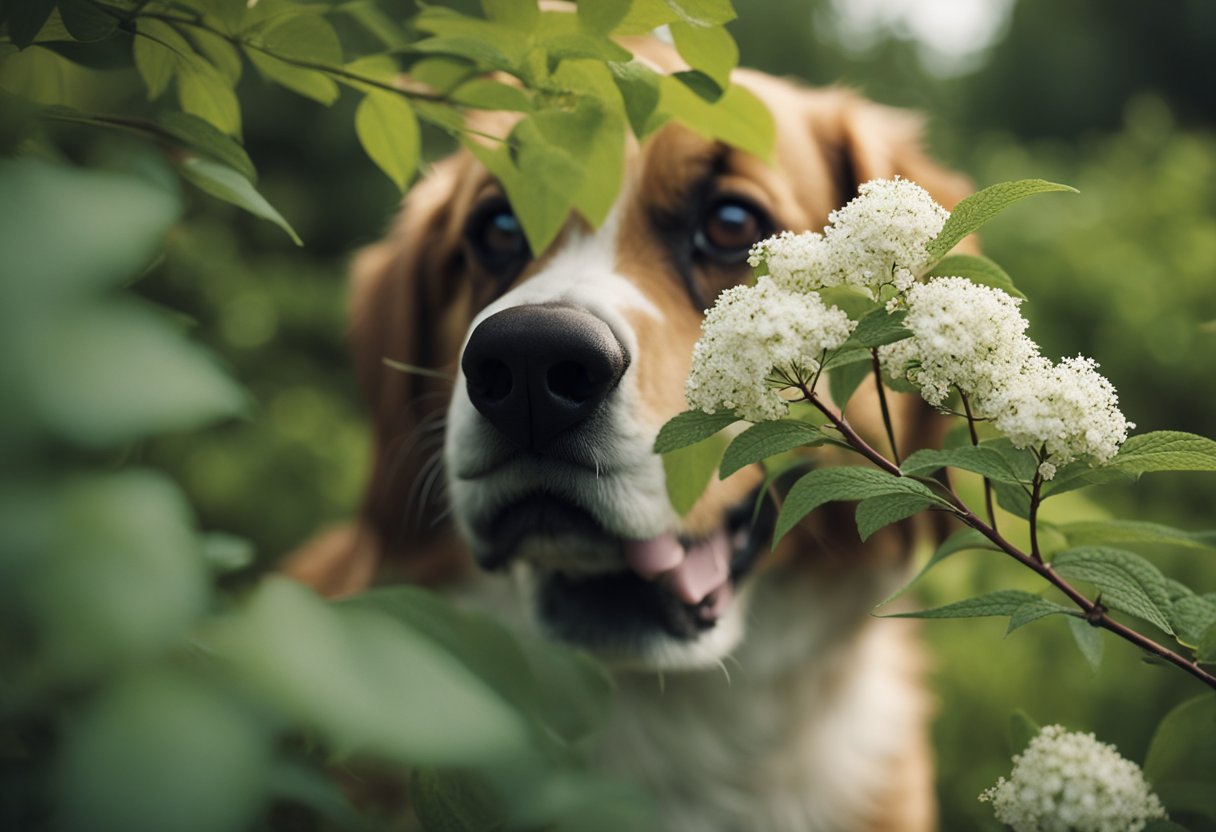
Spirea plants are generally safe for dogs, but it’s important to know which plants are true spireas. Understanding the difference can help you keep your pet away from plants that might cause harm.
Toxicity of Spirea Varieties
Spirea varieties like the popular Bridal Wreath Spirea aren’t known to be toxic to dogs. They don’t pose a significant threat if your dog chews on them, though eating any plant material can cause a mild stomach upset.
However, some plants that are commonly grouped with spireas but aren’t true spireas, like False Spirea, belong to a different genus. Less pet-safety information is available for them, so it’s best to keep your dog from chewing on them.
Toxic plants such as Azalea, Oleander, Foxglove, Hydrangea, and Sago Palm are more dangerous and may grow in the same gardens as spirea.
Identifying Toxic Plants
Knowing how to identify plants around your home can help you protect your pet. True spireas typically have small, clustered flowers and simple leaves, making them easier to spot.
For plants that are toxic, like azaleas or oleanders, look for distinct features like their unique flower shapes and leaf patterns. Examine local flora sections or use plant identification apps for better accuracy.
It’s wise to keep your dog away from unknown plants and teach them “leave it” commands for added safety. Lists of toxic and non-toxic plants can be a handy resource as well.
Read Also: How to Make a Dog Throw Up After Eating Chocolates
Frequently Asked Questions

Spirea is generally considered safe for dogs. Knowing the symptoms of ingestion can help you take quick action. It’s important to be aware of other plants that might look similar but are harmful to pets.
What are the symptoms of spirea ingestion in dogs?
If your dog eats spirea, you might not see severe symptoms. Some mild symptoms could include upset stomach, vomiting, or diarrhea. Pay attention to your dog’s behavior after eating any plant.
Can ingestion of spirea lead to serious health issues in dogs?
Spirea is not known to cause serious health issues in dogs. Usually, any reaction is mild and resolves quickly. If symptoms persist or you notice something unusual, consult your veterinarian.
Which plants similar to spirea are toxic to dogs?
Azaleas and rhododendrons are common landscape shrubs that are toxic to dogs. The ASPCA lists azalea poisoning signs as vomiting, diarrhea, weakness and, in serious cases, heart problems. It’s best to identify and avoid these plants in your garden.
What should I do if my dog eats a portion of a spirea plant?
Monitor your dog for any signs of discomfort. If mild symptoms occur, they usually clear up in a short time. If you aren’t sure which plant your dog ate, or symptoms persist, call your vet or the ASPCA Animal Poison Control Center at (888) 426-4435.
Sources
- Toxic and Non-Toxic Plant List: Dogs, ASPCA
- Toxic and Non-toxic Plants: Azalea, ASPCA
- Spiraea (Meadowsweet, Spirea), North Carolina Extension Gardener Plant Toolbox