Foamy Cat Urine: Signs and Causes
Contents
- The Common Causes of Foamy Feline Urine
- Urinary Tract Infection
- Urinary Tract Stones
- Feline Idiopathic Cystitis (FIC)
- Proteinuria
- Other Causes of Foamy Feline Urine
- How Can I Detect the Foamy Cat Pee?
- Start by Monitoring the Litter Box
- Examine the Cat’s Overall Health
- Final Thoughts
- Frequently Asked Questions
- Is it normal for your cat to produce foamy pee?
- How can I treat cat proteinuria?
- Can a stressed cat produce foamy pee?
- Sources
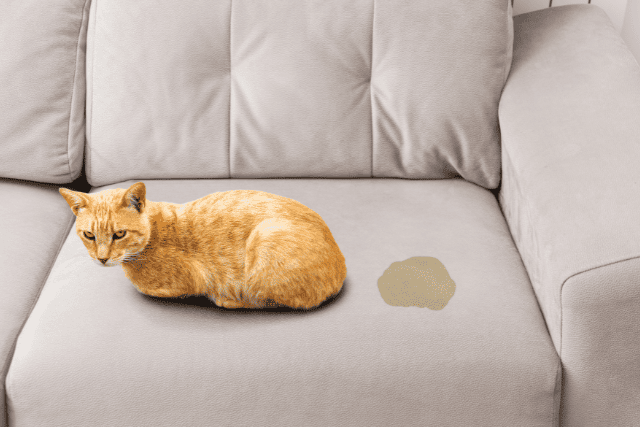
From time to time, your feline pet may show symptoms that are alarming, and foamy cat urine is one of them.
It is easy to dismiss foamy or cloudy urine, but it can be a sign of illness. Persistent foam can point to a urinary tract problem or to kidney disease, which can let protein leak into the urine.
The Common Causes of Foamy Feline Urine
Foamy urine can be a sign of various underlying issues, and it’s important to consult with a veterinarian for a proper diagnosis and treatment. Common causes of foamy cat pee can include:
Urinary Tract Infection
UTI in cats can sometimes be associated with foamy urine, although foamy urine alone is not a definitive indicator of a UTI. UTIs in cats can cause various changes in urine appearance and behavior. Here’s how UTIs can relate to foamy urine:
- Increased Frequency and Urgency: Cats with UTIs often urinate more frequently than usual and may have a sense of urgency when they need to urinate.
- Discomfort: UTIs can cause discomfort or pain during urination. Cats may strain while urinating or vocalize when using the litter box. This discomfort may also result in the cat’s urine appearing foamy.
- Blood in Urine: UTIs can sometimes lead to blood in the urine (hematuria). Blood in the urine can cause it to appear discolored and potentially foamy.
Urinary Tract Stones
Foamy cat pee can also be associated with urinary tract stones, also known as uroliths or bladder stones. When a cat has urinary tract stones, they can irritate the urinary tract lining and cause changes in the urine, potentially leading to foamy pee. Here’s how these stones can relate to foamy feline urine:
- Irritation of the Urinary Tract: The presence of stones in the urinary tract can irritate and damage the lining of the bladder or urethra. This irritation can lead to inflammation and changes in urine appearance, including foaming.
- Obstruction: In some cases, urinary stones can obstruct the flow of urine, causing the bladder to become distended. When the bladder becomes overly full or distended, the urine may come out with more force, potentially causing foaming as it exits the cat’s body. A cat that strains but passes little or no urine needs a vet right away, especially a male cat. A complete blockage can be fatal within 24 to 48 hours.
- Blood in Urine: Urinary stones can also cause microscopic damage to the urinary tract system, leading to blood in the urine (hematuria). Blood in the urine can affect its color and texture, potentially contributing to foaming.
- Discomfort: Cats with these stones may experience discomfort or pain while urinating. This discomfort may result in changes in urination patterns, such as urinating more frequently or straining, which can lead to foamy urine.
Feline Idiopathic Cystitis (FIC)
Feline idiopathic cystitis (FIC) is a complex and often frustrating condition, and it is the most common diagnosis in cats with lower urinary tract signs. Foamy pee can sometimes be associated with FIC, although it is not a definitive diagnostic sign. Here’s how FIC can relate to foamy pee:
- Inflammation: FIC is characterized by inflammation of the bladder and sometimes the lower urinary tract. This inflammation can irritate the lining of the bladder and urethra, potentially leading to changes in urine appearance, including foamy or cloudy urine.
- Pain and Discomfort: Cats with FIC often experience pain and discomfort while urinating. They may strain, urinate more frequently, or vocalize when using the litter box. This discomfort can result in the cat’s urine appearing foamy.
- Blood in Urine: FIC can cause blood in the urine (hematuria), which can affect the color and texture of the urine.
- Stress: Stress is believed to play a significant role in the development and exacerbation of FIC. Stress can lead to changes in a cat’s behavior and overall well-being, which can affect their urinary habits and urine appearance.
Proteinuria
Foamy pee can be associated with proteinuria, which is the presence of excess protein in the urine. While proteinuria itself may not always directly cause foamy urine, it can contribute to changes in urine appearance and may be indicative of an underlying health issue. Here’s how proteinuria can relate to this condition:
- Increased Protein Levels: When there is an excess of protein in the urine, it can affect the composition and consistency of the urine. The presence of protein can make the urine appear frothy or foamy.
- Underlying Kidney Disease: Proteinuria is often a sign of kidney disease in cats. In one study of cats seen in practice, most cats with increased urine protein were diagnosed with chronic kidney disease. When the kidneys are not functioning correctly, they may allow larger molecules, including proteins, to pass through into the urine. Kidney disease can also lead to changes in urine concentration and composition, which can contribute to foamy cat urine.
Other Causes of Foamy Feline Urine
- Kidney failure: Chronic kidney disease can affect the kidneys’ ability to filter waste products and maintain the proper balance of fluids in the body, which can lead to foamy pee.
- Feline foamy virus (FFV): Despite its name, this retrovirus is not a cause of foamy urine. It is common in cats and is not known to cause disease, so it is not a reason for foamy pee.
- Diabetes: Cats with diabetes may have sugar in their urine. They often drink and urinate more than usual, which is worth reporting to your vet.
How Can I Detect the Foamy Cat Pee?
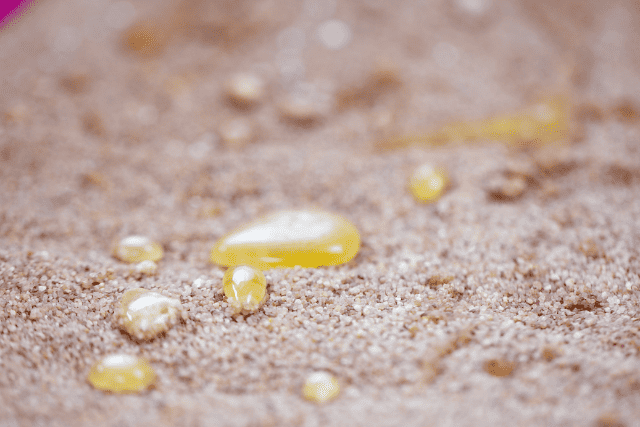
Regular vet care, including lab work, can help us detect health issues earlier; in fact, an old cat can benefit from annual checkups. To be on the safe side, we have to monitor their urine and note its smell, color, and how foamy the urine is. With the above details, you’ll notice a change in its health.
Start by Monitoring the Litter Box
If you notice that it’s producing foamy urine, then you should monitor its behavior when urinating and how often it urinates. You’ll have to clean the litter box regularly to notice if urinating frequency has increased or reduced.
So if your cat produces foamy urine and you suspect UTI, then you should do the above. If it’s vomiting, make sure you examine it and even take samples to the lab for testing.
Examine the Cat’s Overall Health
After noticing the change in your cat’s urine, you should also look out for other symptoms. So you should start by examining its eating habits, which includes the type of cat food it consumes. Confirm if its overall behavior changes and if it’s vocalizing excessively or sleeping more.
The above symptoms are signs of discomfort or stress caused by internal problems like chronic kidney diseases. Monitor the color of its eyes, especially yellowing in the whitish part of its eyes. When dealing with a long-haired cat or an older cat, you should monitor its weight.
Cats tend to hide pain, so look out for changes in behavior. Male cats deserve extra attention because their narrow urethra is more likely to become blocked.
Final Thoughts
If you suspect that your pet has a UTI, then you should start by examining their daily urine conditions and levels. Note any changes in its eyes, appetite and litter box habits, but don’t jump to conclusions; instead, use the collected data with the vet and determine if it has any of the above conditions.
It may be something as small as stress or a serious health condition. Therefore, it’s always a good idea to talk to the vet. Your pet may have to undergo a number of tests to find out the cause of the problem.
Frequently Asked Questions
Is it normal for your cat to produce foamy pee?
Occasional bubbles are not always a concern, but foam that keeps appearing is worth a vet visit. The cause may be as simple as stress-related cystitis or as serious as kidney disease.
How can I treat cat proteinuria?
Treatment may involve managing the primary condition, such as kidney disease or inflammation, as well as addressing any associated symptoms.
Can a stressed cat produce foamy pee?
Yes, Cats can develop stress-related urinary issues, which may result in changes in urine appearance, including foamy/cloudy cat urine.
Sources
- Feline Lower Urinary Tract Disease, Cornell Feline Health Center
- Is proteinuria a rare condition in apparently healthy and sick cats? A feline practice experience (2007–2018), Open Veterinary Journal, via NIH PubMed Central